
Whoa! I remember the first time I tried to move SOL and the whole thing felt like juggling while riding a bike. My instinct said “this will be either awesome or a trainwreck” and honestly, that gut feeling paid off more times than not. Initially I thought browser wallets would be clunky and insecure, but then I realized that with the right extension they can be smooth, fast, and surprisingly safe when you treat them like any other valuable tool. Here’s the thing. If you treat a wallet like a bank account (because it is, in a way), you change how you approach downloads, permissions, and backups.
Seriously? Yep. The difference comes down to small habits. Lock your seed phrase offline. Use a strong password for the extension. Keep phishing awareness high. On one hand, browser extensions are convenient — they let you trade, stake, and interact with dApps without moving funds around. On the other hand, they can be a single point of failure if you install somethin’ sketchy or reuse passwords. Actually, wait—let me rephrase that: convenience raises the stakes, so you have to be deliberate.
One thing that bugs me is how many people click through install prompts without a second thought. Hmm… it’s tempting to rush, especially when an NFT drop is minutes away. My very first Phantom setup happened that way; I rushed, missed a checkbox, and nearly lost access because I didn’t write down my seed phrase properly. Lesson learned the hard way. Since then I changed my routine and now I treat setup like setting up a new phone — take your time, double-check, breathe.
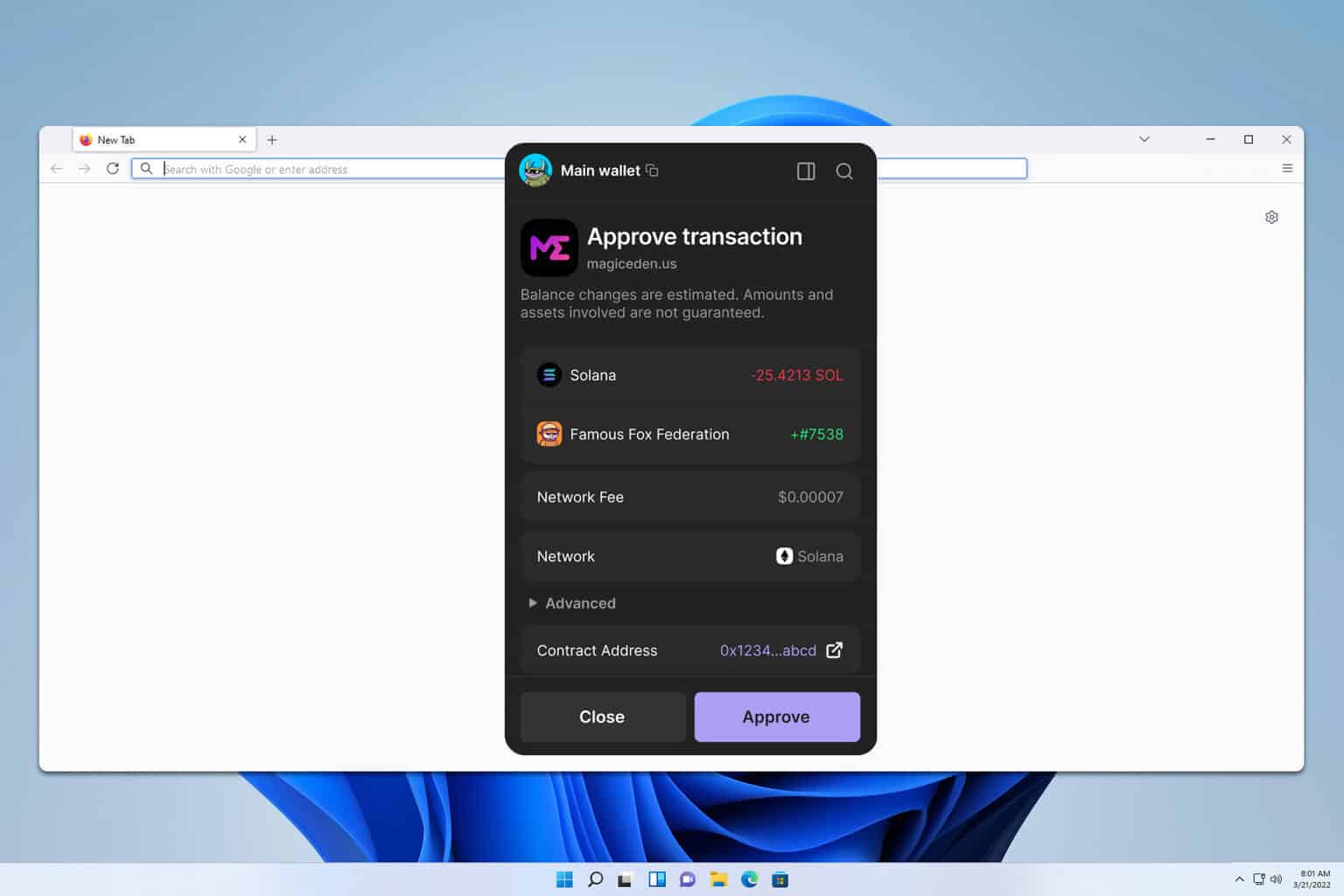
How to get started safely with a Solana browser extension
Okay, so check this out—if you’re curious about a reliable way into the Solana ecosystem, start by getting the official phantom wallet. Really. That single step reduces a lot of risk compared with grabbing random forks or clones off sketchy sites. After downloading, pause. Read the prompts. Create a unique password. Write your seed phrase down on paper and stash it somewhere safe — not in a cloud note that syncs automatically. On a practical level, enable whatever additional protections the extension offers and consider a hardware wallet for larger holdings.
Something felt off about some wallet permissions I once saw; they requested broad access to all sites and transactions. My quick rule now is to deny anything that seems overly permissive and to use site-specific approvals where possible. Initially I thought “just accept and go”, but after digging into transaction signing flows I realized that granular permissions matter a lot. On a technical note, browser extensions interact with page scripts via injected objects; that means a malicious site or a compromised extension could trick you into signing something you didn’t mean to. So check transaction details carefully before confirming.
Here’s a modest checklist to follow when installing any browser wallet. First, verify source authenticity: only install from official channels or trusted repositories. Second, back up your seed phrase offline and verify the backup by restoring in a test environment if you can. Third, limit daily-use balances — keep the bulk of your funds offline. Fourth, update the extension and your browser regularly. Fifth, enable phishing protections and consider using a separate browser profile for wallet interactions. This stuff seems basic, but it’s the difference between secure and regrettable.
Day-to-day tips and honest tradeoffs
I’ll be honest — the convenience is addictive. You can jump into swaps, NFT mints, and staking flows within seconds. But convenience comes with tradeoffs. On one side, you get instant UX and low friction for interacting with Solana dApps; on the other, you increase exposure if you get complacent. For frequent traders, the extension workflow is a net win. For long-term hodlers, a hardware-first approach is probably better.
On a deeper level, think about account hygiene. Use separate wallets for different purposes: one for exploring new dApps with small sums, another for holdings you intend to keep. This segmentation reduces blast radius if an approval goes sideways. My process includes a “warm wallet” for daily ops and a “cold store” for everything else. The method isn’t perfect, but it dramatically lowers stress. And hey, it keeps mistakes smaller and more manageable.
Sometimes I get casual messages asking if browser wallets are anonymous. Not really. Transactions on Solana are pseudonymous and public. If someone ties your address to your identity via KYC’d services or social posts, that trail becomes a privacy issue. So be mindful about address reuse and public linking of wallet addresses. Small privacy habits are underrated and often ignored until they matter.
Common questions (FAQ)
Is a browser extension safe enough for serious holdings?
Short answer: it depends. For modest daily-use balances, yes — with good practices. For substantial holdings, pair the extension with a hardware wallet or keep most funds offline. My instinct says treat browser wallets like your daily cash, not your vault.
How can I verify the extension I downloaded is legit?
Check the publisher name and reviews in the official store, verify the extension’s homepage, and confirm permissions during install. If something looks off — mismatched icons, odd wording, requests for private keys — stop immediately. Also test small transactions first to be sure transactions sign as expected.